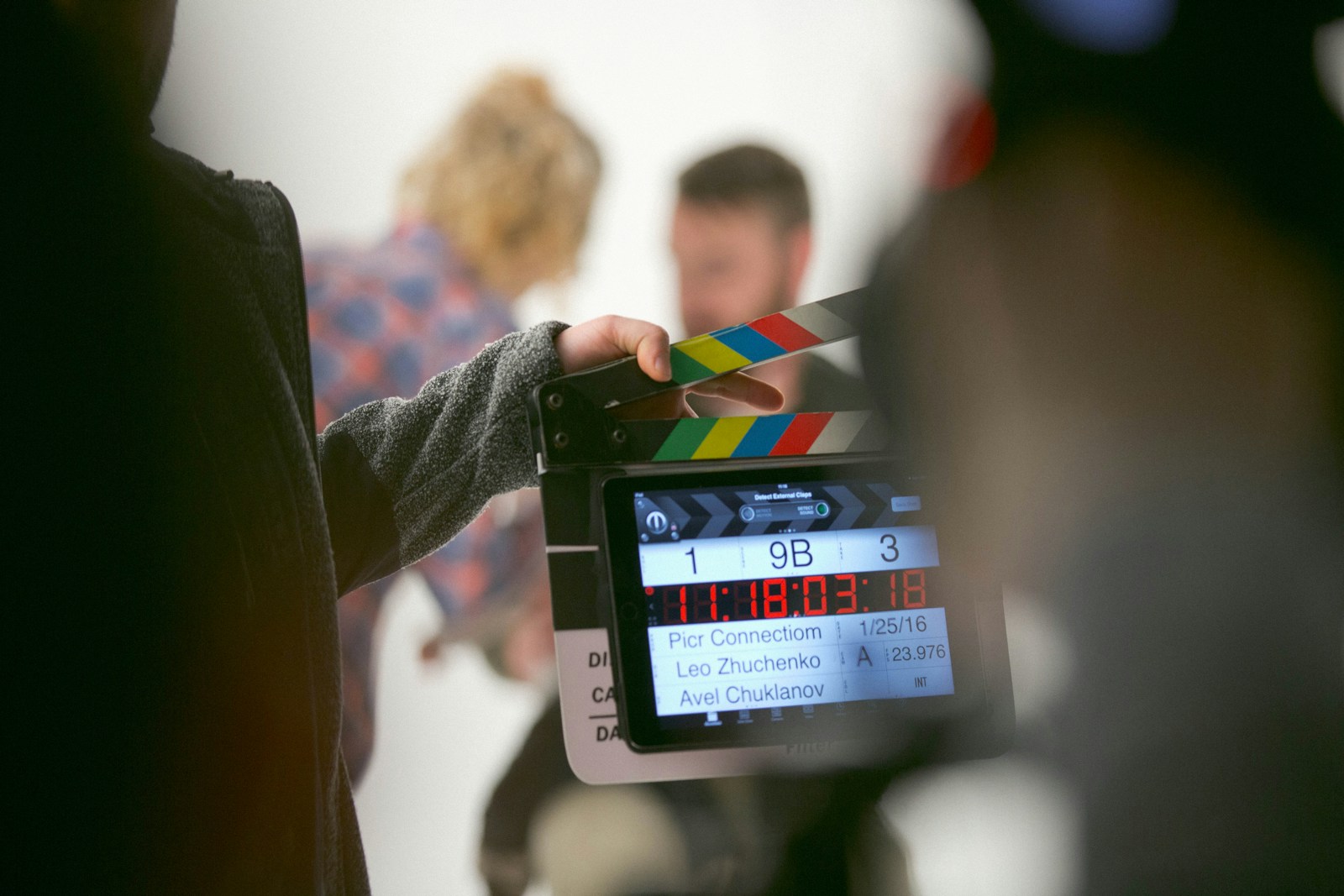
Kategória: Planning & distribution

  • How to Budget and Brief a Storytelling Video

    How to Budget and Brief a Storytelling Video

    Two films can both last three minutes. One might use an interview and scenes filmed at a single location, while another follows several people over different days and needs archive material and versions in multiple languages.

    A storytelling video’s budget follows that scope. Preparation, filming and editing all need to be considered, along with the final versions and where you intend to use them.

    Start with what you need the viewer to understand.

    Ask what the proposal includes

    Some organisations have confirmed participants. For others, interviews and research are needed before anyone can decide what to film, and that early work needs to be allowed for in the scope.

    A quiet interview is relatively straightforward to schedule. Following someone through a busy event can be harder. Allow time to work out access and sound, including whether another crew member is needed to capture activities happening elsewhere.

    Then there is the edit. An interview-led film needs a structure built from what people said and what was filmed, with sound work and colour treatment bringing the material together. Allow for extra versions in the quote, including the additional editing and review involved in delivering each one for its intended placement. Compare those assumptions below.

    Part of the projectWhat to clarify
    Story developmentResearch, discovery conversations and concept preparation
    FilmingLocations, scheduled hours, access and crew
    Post-productionStory edit, sound, colour and graphics
    VersionsLength, aspect ratio, subtitles and languages for each delivery
    UsagePublishing channels, music permissions and licensed material
    ReviewIncluded feedback rounds and how changes are handled
    Other costsTravel, overtime, taxes and separate charges

    Ask about anything left unclear. You need to know which items are included before comparing the total with a proposal that may cover a different amount of work.

    Reduce the scope around the story

    Imagine a founder film recorded where the business operates. One interview and scenes of the work could give you a main website film and a shorter introduction.

    Following a community programme across several locations creates a different project. More people have to be scheduled, there is more footage to review and translated versions add another layer of work.

    If the budget is tight, look for one experience that can carry the idea. Filming fewer locations may be sensible. Cutting the scenes that let us understand the interview could leave the film short of what it needs.

    Ask the filmmaker to explain the consequence of each proposed saving. You should be able to see what the smaller production would still achieve.

    Write a brief people can respond to

    A page is enough to begin. Describe who will watch and what they currently misunderstand or hesitate about, then explain what you want them to do after seeing the film.

    Add the material you can provide, including possible interviewees and activities that would help a viewer understand the work. Where could we film? Mention restrictions that would affect access or the schedule.

    Include your budget range and deadline, along with the publishing channels and versions you expect to need, so the filmmaker can propose a scope that fits the limits.

    Choose someone to collect your team’s feedback. Explain the approval process, especially if several people need to sign off before delivery.

    References help when you say what you like about them. You may want the calm interview tone from one film and the use of natural sound from another. That gives the team something specific to discuss.

    Compare the complete work

    Watch a finished film alongside the showreel and ask whether you can follow the story without someone explaining what the organisation does beforehand. Listen to the interviews. Ask whether the people sound comfortable speaking in their own words and whether the scenes help you understand the organisation by the end of the film.

    Ask who conducts the interview. Find out how that person prepares, including how they work with someone who is nervous about being filmed and who develops the story before the shoot.

    For production proposals in Hungary, check the currency and treatment of VAT alongside travel assumptions and deliverables, so you can see what each total would cover. Get unclear costs itemised.

    Agree the scope and review process in writing, including how a change to the concept will be handled after approval.

    Send your audience, intended use, deadline and budget range to [email protected]. Include any people or experiences you already have in mind for the film.

    Continue reading: What Is a Brand Story Video and When Do You Need One?
  • How to Use a Brand Film on Your Website and in Campaigns

    How to Use a Brand Film on Your Website and in Campaigns

    A parent books an open-day visit. A prospective customer asks whether your service would work for their business. Place the film where it can help someone make that decision. Plan the placement before editing is finished. The opening and length should suit the situation, with supporting versions considered for other places where the audience will encounter the story.

    Explain why they should press play.

    Put it beside the question it answers

    A founder film can help on an About page. A testimonial about one service belongs close to that service, where someone may be weighing up the concern the customer discusses.

    For a school, a film about everyday life could sit beside information about visiting. Parents can get a sense of the place while considering whether to come and see it themselves.

    Write a brief introduction that tells visitors what they will learn. Choose a thumbnail that reflects the film and still makes sense on a small screen.

    Leave the essential information in text too. Some visitors won’t play the video, and others will watch part of it before returning to the page to look for a detail or a way to contact you.

    Give shorter versions a question of their own

    A main film may contain material for several useful edits, such as a founder’s explanation of why the service exists or a customer’s account of the process. Discuss these before the shoot.

    Choose a complete thought. Cutting out the sentence that establishes who is speaking can leave an interesting quote without the context someone needs to understand it.

    For a two-to-three-minute website film, you might plan a 30-to-45-second introduction and a short edit about one customer question. These are possible starting lengths. Choose the final versions around the material and the places where people will see them.

    Consider how well the viewer knows you

    Someone on your About page has chosen to find out about the organisation, while a person encountering an unfamiliar company in an advertisement needs a quicker explanation of relevance.

    Begin with a recognisable situation. A school campaign could open with a parent’s question, then invite viewers to a page where the full film explores the response.

    Check the destination. If the advertisement promises information about a particular programme, that information needs to be easy to find when someone follows the link.

    Use the film in a conversation

    A follow-up email can link to a film that answers a question raised during a meeting. Explain the connection in the message so the recipient knows what watching it will add.

    A school could send its film with an open-day invitation, giving families something useful to watch while deciding whether to visit. For a service business, return to the buyer’s question.

    Keep the introduction brief. The recipient can then decide whether to watch, and they have a reason to remember the link when the question comes up again.

    Decide what you will measure

    Views tell you how much exposure the film received. To understand its role in the project, look at the action you hoped it would support.

    PlacementUseful measureWhat to investigate
    Service pageRelevant enquiries and form completionDo visitors understand the offer and contact you?
    School campaignOpen-day registrationsDoes the invitation reach families considering a visit?
    Nonprofit pageSuitable volunteer or supporter enquiriesAre the people responding able to take part?
    Paid campaignQualified leads and cost per qualified leadDoes the film support the campaign’s objective?
    Sales follow-upReplies and progress in the conversationDoes the film help answer the buyer’s question?

    Ask new enquiries how they found you. Use campaign tags where appropriate, allowing for someone encountering the film several times before making contact through a different page or channel.

    Look at what happens after watching. If people watch but don’t enquire, examine the offer and the page as well as the film, including whether the next step is clear and easy to take.

    Early departures need a different look. Check how quickly the opening gives that audience a reason to follow the story.

    Keep the audience and placement consistent when comparing edits. Changes elsewhere in a campaign can affect the result, and a small sample may leave you with little to go on.

    Share your planned channels and intended action with Sidhart at [email protected]. We can discuss the main film and supporting versions before the shoot.

    Continue reading: How to Make a Customer Testimonial Video People Can Trust