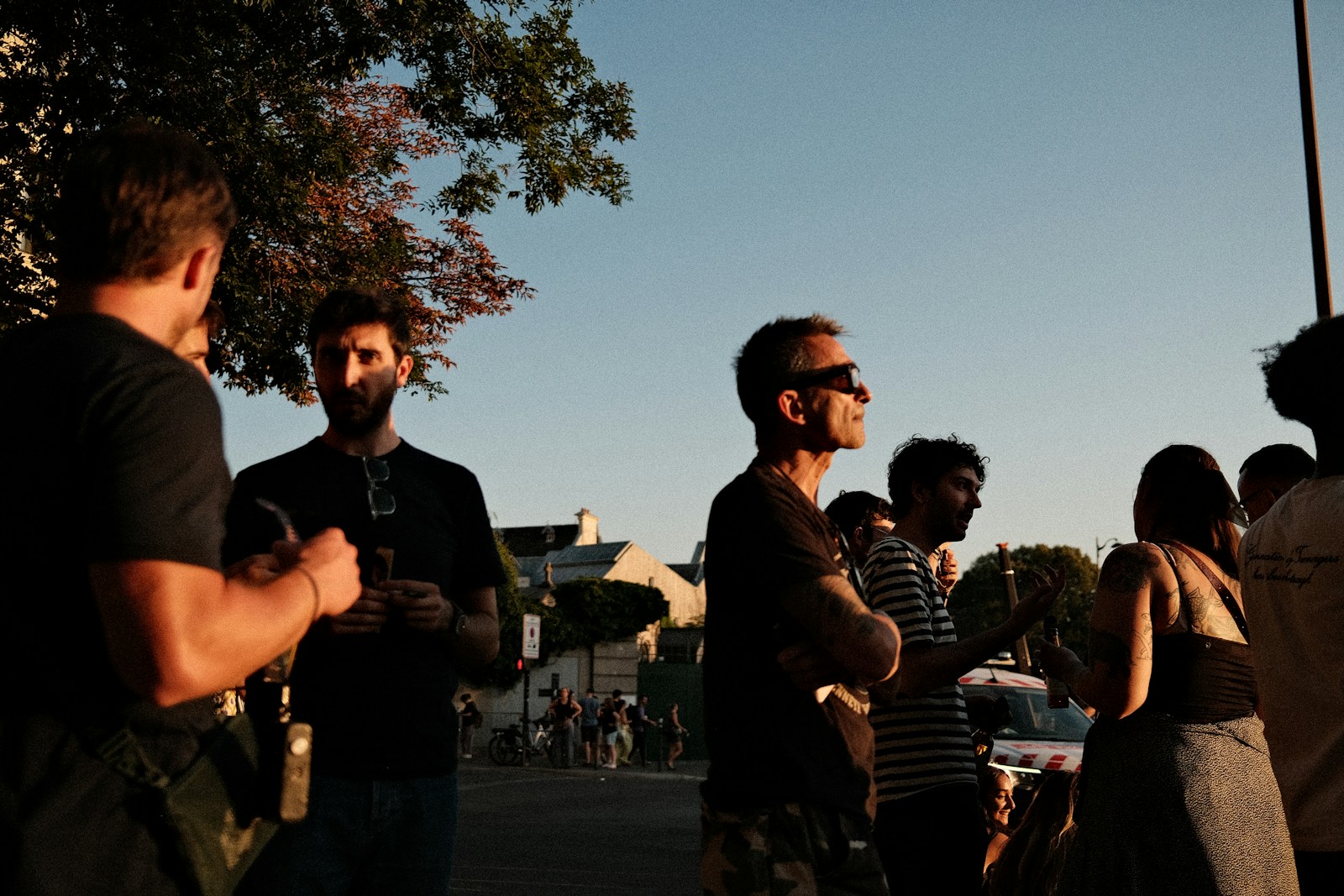
By the time the room is full and the music starts, part of the event has already happened. Someone arrived alone. Volunteers worked out a last-minute problem. A visitor walked into a workshop unsure what to expect, and following that experience gives an aftermovie a beginning that would be missing from coverage starting later. Follow a person or an unanswered question through the event, and viewers can understand how the experience developed as well as see what it looked like.
Plan that coverage early. You can’t return for a moment that happened once.
Decide who will watch afterwards
A future ticket buyer wants to know what attending feels like and whether they would feel at home there. A sponsor may need to understand the audience and how their involvement appeared. Participants might simply want to revisit something they shared.
Choose the main audience. If sponsors need information that would interrupt the visitor’s experience of the film, discuss a separate version using appropriate footage from the same event.
Allow for unfamiliar viewers too. Someone who has never heard of the festival needs to understand where they are and what is happening before a montage of activities can mean much to them.
Find someone you can return to
A first-time visitor gives you a natural thread. Before an activity, ask what brought them there and what they are curious about. Afterwards, find out what happened.
Keep the check-ins brief enough that the visitor can return to what they came to do. Arrange permission and a practical way to find them so the filming doesn’t pull them away from the event repeatedly.
You could follow an organiser or volunteer instead. Look for a person whose experience opens up the event for the intended viewer, then leave room for their account to go somewhere you hadn’t expected.
An event film needs to accommodate what happens. A participant shouldn’t be asked to deliver an enthusiastic ending simply because the planned edit needs one.
Give the crew a workable schedule
Share the timetable and a location plan. Mark activities that happen only once, the people who can arrange access and somewhere suitable for recording short conversations.
Check the overlaps. If a workshop and a performance happen simultaneously in different places, decide what matters most to the story or allow for additional coverage. One crew member can only be in one place.
Start before the busiest period. Setup, arrivals and a few words before an activity can give the edit a beginning that would otherwise be missing.
Record answers people can give
„What surprised you in that conversation?” is something a participant can think about. A question such as „How amazing is the festival?” asks them to supply enthusiasm.
Listen for a detail. Their answer may point you towards another scene worth capturing or explain why an apparently quiet moment mattered to them.
Find somewhere the voice can be heard. A thoughtful answer recorded beside a loud stage may prove difficult to use, and the person may have left by the time you discover the problem.
Let the edit reflect the experience
The film can move from arrival into participation, then reach a moment that expresses what the event offered. Natural sound helps viewers enter a place. A pause can give an exchange time to register before the music carries the film onwards.
Watch the context when editing reactions. Attaching someone’s response to an unrelated activity can suggest something that never happened.
Discuss the versions before filming. You might need a main aftermovie and a shorter film about a workshop, with subtitles and framing planned for their intended placements. Confirm sponsor requirements and permissions, including music use in paid campaigns where relevant.
Keep changeable details such as next year’s dates on the event page or in an ending you can update.
Send the event date, location and schedule to [email protected], along with the experience you want future visitors to understand. Sidhart can use that to discuss what needs to be captured.
Continue reading: How to Budget and Brief a Storytelling Video