Szerző: admin

  • What Is a Brand Story Video and When Do You Need One?

    What Is a Brand Story Video and When Do You Need One?

    A school can call itself supportive. Parents will still wonder what happens when their child gets stuck, loses confidence or needs someone to notice that something is wrong.

    A film can take them into that situation. They might hear a parent describe the worry they arrived with, then watch a teacher working with a pupil who needs a little longer to understand an exercise.

    That’s the territory of a brand story video: a film that helps someone understand an organisation through the people involved and the difference its work makes in a particular situation.

    What makes it a story?

    Someone wants something. Getting there proves difficult. We follow what they do and begin to understand why it matters to them.

    For a small business, that person could be the founder who kept encountering a problem and eventually decided to solve it. A customer might carry the film instead, especially when their experience answers the questions a prospective buyer is likely to have.

    The stakes can be modest. A frustrating process, an uncertain first day or a decision someone has been putting off can all give a short film enough movement. Keep the account proportionate to what happened. Ask for a specific decision someone made, rather than trying to turn an ordinary experience into a crisis.

    „We care about quality” gives us little to film. Watching someone reject a piece of work because it doesn’t meet their standards tells us how that belief affects a decision.

    Which kind of video do you need?

    The names overlap. One production company’s brand film may be another’s company introduction, so ask what the proposed film will help your audience understand.

    FormatQuestion it answersWhere it can help
    Brand story filmWho are these people, and why does their work matter to me?About page, presentations, brand introduction
    Product or service videoHow does this work, and what would it help me do?Product page, launch, sales conversation
    Customer testimonialWhat happened for someone in a similar situation?Service page, proposal, follow-up campaign
    Short advertisementWhy should I pay attention to this offer?A paid campaign with a clear next step

    You can commission several versions within one project. Give the main film a job of its own, though. A two-minute introduction has little room to explain the founder’s history, demonstrate five products and answer every question a customer might ask.

    When a brand film earns its place

    Think about the conversations you keep having. Perhaps people understand what you sell but struggle to see why your approach matters, or they need to feel comfortable with the people behind the service before contacting you.

    A story film can help with that. It’s particularly suited to decisions involving trust: choosing a school, finding a specialist or deciding whether to support an organisation’s work.

    Access matters too. Someone needs to be willing to speak, and there should be places or activities that help us understand their account. If everything has to be explained through company statements, the film will have very little for the viewer to observe.

    Explain a confusing product feature first. Once customers understand how it works, you can decide what a wider brand story would add to the information they already have.

    How long should it be?

    Two to three minutes is a useful starting proposal for an interview-led website film. Treat that as a working length. The story and the viewing situation should determine what stays.

    A parent researching a school may be willing to spend time with a detailed account. Someone seeing an unfamiliar company in a social feed needs a quicker way in, which may call for a separate edit with a different opening.

    Sidhart Films is based in Hungary and creates story-driven films for conscious brands and organisations. Send us the question your audience keeps asking at [email protected]. It gives us somewhere useful to begin.

    Continue reading: How to Find the Story Behind Your Brand

  • How to Find the Story Behind Your Brand
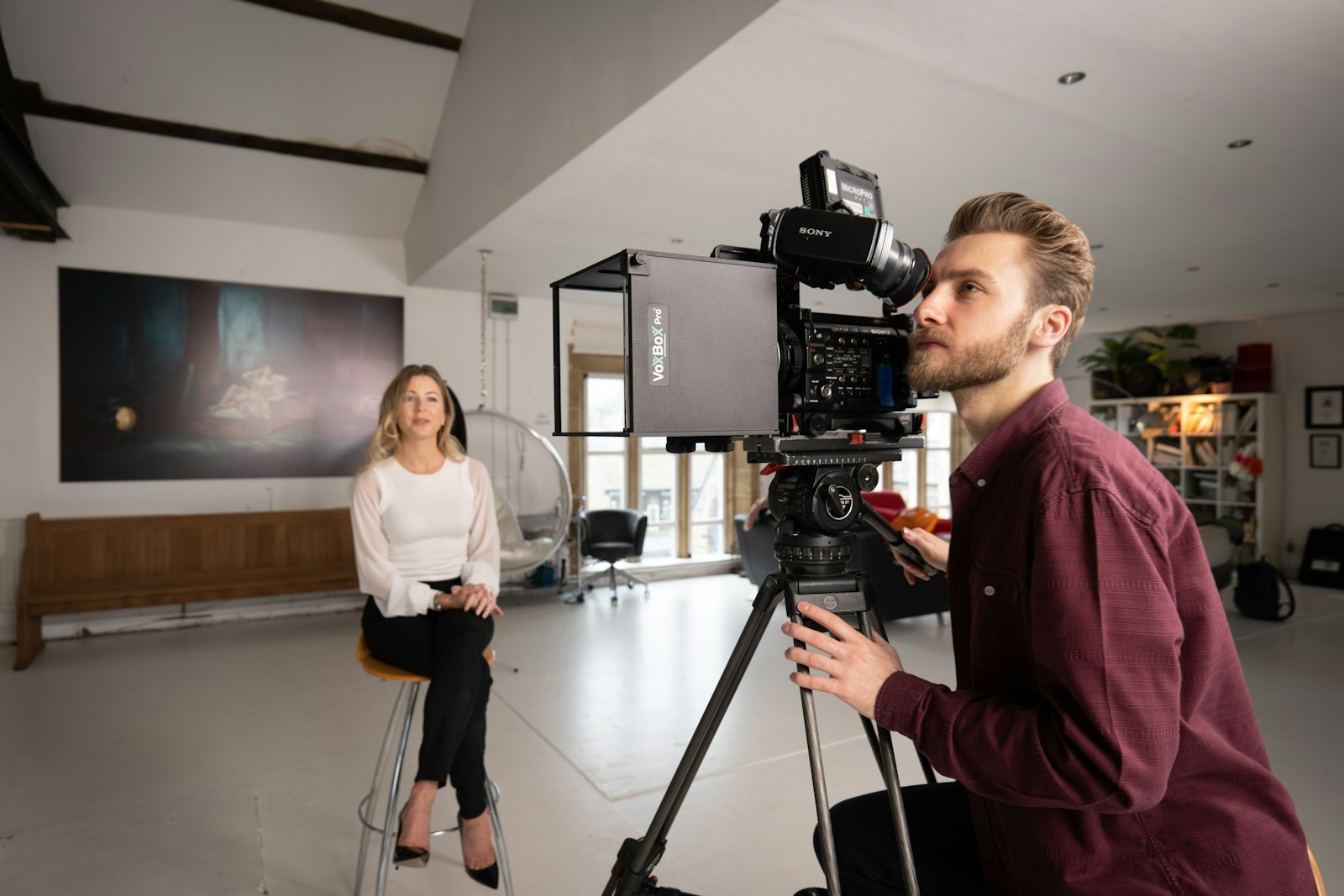
    How to Find the Story Behind Your Brand

    Think back to a conversation with a customer that you can still remember clearly. Where were you? What did they ask? Perhaps they told you something about the work that you’d never have thought to put on your website.

    Start with that conversation. To find a brand story, look for a person with a recognisable problem, then explore what happened when your work became part of their life.

    A mission statement can guide you towards the experience you need to film.

    Ask for the occasion behind the claim

    When someone says your team is patient, ask what made them say it. There may have been a confusing first appointment, a difficult lesson or a project where the customer needed something explained again.

    Follow the details. A teacher saying „we give children time” leaves a lot to the imagination, while a description of staying with one pupil through a particular exercise starts to reveal what giving time means in practice.

    You can use the same approach with your own team. Ask them about a decision that took longer than expected or a problem they could have ignored. Why did they handle it that way?

    Small decisions are useful here. A brand’s values become visible in the choices people make while doing the work, including the choices that never make it into a company presentation.

    Choose someone the audience can follow

    The founder may know how everything began. A customer knows what it was like to need help. Someone delivering the service can explain the judgement involved in doing it well.

    Decide whose experience answers the viewer’s question. A prospective customer asking „will this work for me?” may find another customer’s account useful. Someone considering a partnership might want to understand the founder’s commitments and how they affect the organisation today.

    Several people can contribute. Give the film a clear thread so the viewer can follow an experience through, rather than moving between interviews that all express a similar sentiment.

    Find something that was uncertain

    Was someone unsure about joining? Perhaps an earlier attempt had failed, leaving the person wondering whether this service could accommodate a situation that had already proved difficult elsewhere.

    That uncertainty gives the viewer a reason to keep watching. Keep its scale honest. If the difficulty was a frustrating booking process, explain the frustration without presenting it as a life-changing ordeal.

    You may discover that the situation is still unresolved. That’s usable too. A film can show progress and leave viewers with an accurate sense of the work that remains.

    Check whether the story can be filmed

    Suppose a founder says their products are designed to last. Ask to see a repair. An old item still in use or a part that can be replaced would give the camera something relevant to record.

    Use these questions to test an idea before building a production around it.

    QuestionWhat you’re looking for
    Who would we follow?A person who wants to participate
    What do they want?A goal the audience can recognise
    What makes it difficult?An obstacle or unanswered question
    What happens?Actions and decisions that could become scenes
    Where does the story arrive?A change, a new understanding or an honest next step
    What supports the account?Relevant footage, records or another person’s perspective

    If the answers keep returning to words such as „innovative” or „caring”, ask for another example. You haven’t reached the experience yet.

    For a conscious brand, this is also a way to be precise about your claims. If you discuss responsible production, show the choices involved and explain what they cover.

    You can bring several ideas to Sidhart. Write a few lines about the people involved and the audience you want to reach, then send them to [email protected]. We’ll have something concrete to discuss before deciding what belongs in the film.

    Continue reading: How to Make a Founder Story Video That Sounds Like You

  • How to Make a Founder Story Video That Sounds Like You

    How to Make a Founder Story Video That Sounds Like You

    A founder asked to explain their mission may slip into the language of their website. Bring up the first customer and they have someone to remember.

    They can picture the conversation. Perhaps they remember being nervous, getting something wrong or hearing a response they hadn’t expected. Those details give an interview somewhere to go.

    A founder story video connects the reason someone started an organisation with what it does today. Prepare the experiences you want to explore, then leave room for the person to describe them in their own words.

    Work out why the audience needs this story

    Why does the service exist? Start by agreeing on the question the film should answer, then look for the decision or experience that would help the founder explain it to a customer.

    This helps you decide how much history to include. A career change may have been a huge event in the founder’s life, but the viewer may need only a sentence about it before hearing what the founder noticed and how it shaped the work.

    Be selective. Childhood memories, early failures and personal influences earn their place when they help someone understand a choice that still affects customers or the community.

    Prepare prompts you can talk around

    A conversation before the shoot can reveal which experiences are worth returning to and which subjects the founder wants to keep private. Use it to prepare questions. Save the polished wording for passages that need exact language.

    Try asking, „What happened that made you take this problem seriously?” Let the answer finish. If a particular person or conversation appears, stay with it and ask what happened next.

    You could then ask about the first attempt to help, what proved difficult and the decision that changed the founder’s approach. Leave space for the answer you hadn’t planned for.

    Ask for an example. If the answer is still rehearsed, return to the customer in the account and ask how the founder explained the situation to that person at the time.

    Make the recording feel like a conversation

    A camera can make a comfortable speaker suddenly self-conscious. Explain the setup before starting. They should know where to look, who they are speaking to and that a pause can be handled in the edit.

    Give them time. Trying to force an energetic answer can make someone sound unlike themselves, particularly when the subject is personal or they are still searching for the right words.

    Ask one question at a time. If an answer becomes formal, return to the situation and ask how they would describe it to someone who has never heard of the organisation.

    A technical definition or an exact service description may need a script, especially when the wording has been checked and agreed in advance. Give personal recollections room to breathe.

    Plan scenes that explain the words

    If the founder talks about listening, think about a conversation you could film with permission. If they make something by hand, get close enough to see how they judge whether a piece is ready.

    The footage should help us understand the account. Walking through an office establishes a place, but it won’t explain how someone deals with a difficult customer question.

    Early photographs and sketches can help when the story begins years before the shoot. Check permission to publish them before making them central to the edit.

    Bring the film into the present

    By the end, the viewer should understand how the original motivation connects to the experience someone can have with the organisation now. A parent could be invited to visit. A prospective partner might need a conversation about their project.

    The founder doesn’t have to speak directly to camera for this to work. Their voice can run over scenes, or staff and customers may be better placed to carry parts of the account.

    To discuss a founder film with Sidhart, send the reason your organisation began and where you plan to use the video to [email protected].

    Continue reading: How to Budget and Brief a Storytelling Video

  • How to Make a Customer Testimonial Video People Can Trust

    How to Make a Customer Testimonial Video People Can Trust

    „They were fantastic” is pleasant feedback. A prospective customer still needs to know what the person needed, what happened during the work and how that experience relates to their own situation.

    A useful testimonial video follows those questions. It gives the customer room to describe the experience and enough context for someone else to assess what they are hearing.

    Begin before your company enters the account.

    Find a customer with something relevant to describe

    Think about who you want to reach. A small business owner may learn a lot from another small business working within similar limits, even if a larger customer’s name would look impressive on the page.

    Choose someone who remembers the process. They need to want to participate too. Being pleased with your work doesn’t necessarily mean they are comfortable discussing it publicly.

    You can learn something from a mixed account. Perhaps the process took longer than expected, or the customer had to change the way they worked before seeing a benefit. Include that context when it helps viewers understand what the result involved.

    Ask what was happening at the time

    What had the customer already tried? What were they hoping to change? Ask them to describe the situation that led them to contact you, including anything they were unsure about before deciding.

    Keep your praise out of the question. „How did our excellent service help?” pushes the interview towards an answer the viewer has little reason to trust.

    Instead, follow a remembered moment. Ask what the customer noticed during the work and whether there was a point when they understood how it would help them.

    If they say something became easier, ask which task changed. „We stopped checking the same booking twice” would tell a viewer something specific, even when the customer has never measured the time saved.

    Give results their proper context

    A number needs a source and a timeframe. Check what was measured and which part of the customer’s experience it describes before including it in the film.

    Keep the result attached to the situation. One customer’s account can help someone understand a possibility without establishing what every future customer should expect.

    Sometimes a clear description is enough. You don’t need to turn every positive experience into a statistic, especially when there are no records to support one.

    Film the part being discussed

    Imagine a customer describing how a new booking process reduced confusion. Scenes of the steps involved could help viewers understand the change, provided personal information is kept out of view.

    Look for that connection. A smiling person at a laptop might suit the page visually, but the interview becomes easier to assess when the viewer can see the activity the customer is describing.

    Ask permission for the scenes as well as the interview. Agree on public identification and intended use, including paid campaigns. Before recording, settle what the customer will be asked to review and discuss any incentive for taking part with the team responsible for campaign disclosures.

    Edit for clarity without changing the account

    Pauses can be shortened in the edit. A qualification attached to a result needs to stay with the account so viewers can understand what the customer meant.

    Review the edit against the meaning of the original answer, particularly when sentences from different parts of the interview have been joined. A shorter version still needs enough context to make sense on its own.

    Then put it near the decision it helps someone make. A testimonial answering a concern about a particular service belongs on that service page, where a prospective customer is already considering the question.

    Sidhart creates customer story videos through interviews and relevant scenes. Email [email protected] with the service you want to explain and the customer experience you could explore.

    Continue reading: How to Use a Brand Film on Your Website and in Campaigns

  • Storytelling Videos for Schools and Nonprofits

    Storytelling Videos for Schools and Nonprofits

    A parent may know how many language lessons a school offers and still wonder how their child will feel on a difficult morning. A prospective volunteer might understand a charity’s mission without knowing what their first afternoon there would involve.

    Those are useful questions for a film. Storytelling videos help schools and nonprofits explain their work through a person’s experience, showing how an organisation responds to a situation and what that response means in everyday life.

    Choose an experience your audience needs to understand.

    Start with the decision someone is making

    A film for prospective families has a different job from one intended to recruit teachers, just as supporters and volunteers will bring different questions to the same organisation.

    Choose the intended action early. Parents could be invited to an open day, while someone considering volunteering may need a conversation with the coordinator before they can decide to take part.

    That decision will help you choose whose experience to follow. It also gives you a way to decide which facts belong in the film and which would be easier to read beside it.

    Look at what happens during an ordinary day

    Suppose a school wants parents to know that children can make mistakes without feeling ashamed. Ask a teacher what happens when a pupil is unsure of an answer.

    Stay with the example. The teacher’s response, the time given to the pupil and the way the lesson continues could help a parent understand what that promise means in practice.

    For a nonprofit, think about someone joining an activity for the first time. How are they welcomed? Is there a task they can begin with? Following that first session could reveal the practical help and small uncertainties that a mission statement leaves out.

    These are possible subjects, rather than accounts of specific projects. Find the experience within your own community and ask the people involved what they are comfortable sharing.

    Plan around the people taking part

    Explain the filming plan. Tell people where the video may appear and give them room to decline or pause without feeling that they are letting the organisation down.

    In a school, agree on permission and safeguarding requirements before the crew arrives. Confirm which pupils can appear and which activities or spaces need to stay off camera, so teachers aren’t trying to make those decisions during a lesson.

    An invitation to someone receiving support can be complicated, because the person may feel they owe the organisation a favour. Ask about this privately. Consider whether a staff member or volunteer could explain the work without asking the participant to become publicly identifiable.

    Explain what one story can tell us

    A participant’s experience gives viewers a way into the work. An organisation-wide claim needs its own evidence.

    If you include programme figures, check the reporting period and the records behind them. Make it clear when someone is describing their own experience and when the organisation is reporting a wider result.

    A headteacher or programme lead can help connect the two. Ask them to explain the approach behind the scene we have watched, using details that add something to the participant’s account.

    Leave room for the practical questions

    Parents still need admissions information. A prospective supporter may need to understand where their contribution goes. Put changing details such as dates and current needs on the page beside the film so they can be updated without reopening the edit.

    Plan for people who can’t play the video. Subtitles and a readable text account should be part of delivery so the invitation remains accessible in the places you intend to publish it.

    For an open-day campaign, look at registrations and the questions families ask afterwards, while a volunteer film may be judged through relevant enquiries and suitable applications. Agree this before publishing.

    To explore a school or nonprofit film with Sidhart, write to [email protected] with your audience and an experience your community is willing to share.

    Continue reading: How to Find the Story Behind Your Brand

  • How to Make an Event Aftermovie With a Story

    How to Make an Event Aftermovie With a Story

    By the time the room is full and the music starts, part of the event has already happened. Someone arrived alone. Volunteers worked out a last-minute problem. A visitor walked into a workshop unsure what to expect, and following that experience gives an aftermovie a beginning that would be missing from coverage starting later. Follow a person or an unanswered question through the event, and viewers can understand how the experience developed as well as see what it looked like.

    Plan that coverage early. You can’t return for a moment that happened once.

    Decide who will watch afterwards

    A future ticket buyer wants to know what attending feels like and whether they would feel at home there. A sponsor may need to understand the audience and how their involvement appeared. Participants might simply want to revisit something they shared.

    Choose the main audience. If sponsors need information that would interrupt the visitor’s experience of the film, discuss a separate version using appropriate footage from the same event.

    Allow for unfamiliar viewers too. Someone who has never heard of the festival needs to understand where they are and what is happening before a montage of activities can mean much to them.

    Find someone you can return to

    A first-time visitor gives you a natural thread. Before an activity, ask what brought them there and what they are curious about. Afterwards, find out what happened.

    Keep the check-ins brief enough that the visitor can return to what they came to do. Arrange permission and a practical way to find them so the filming doesn’t pull them away from the event repeatedly.

    You could follow an organiser or volunteer instead. Look for a person whose experience opens up the event for the intended viewer, then leave room for their account to go somewhere you hadn’t expected.

    An event film needs to accommodate what happens. A participant shouldn’t be asked to deliver an enthusiastic ending simply because the planned edit needs one.

    Give the crew a workable schedule

    Share the timetable and a location plan. Mark activities that happen only once, the people who can arrange access and somewhere suitable for recording short conversations.

    Check the overlaps. If a workshop and a performance happen simultaneously in different places, decide what matters most to the story or allow for additional coverage. One crew member can only be in one place.

    Start before the busiest period. Setup, arrivals and a few words before an activity can give the edit a beginning that would otherwise be missing.

    Record answers people can give

    „What surprised you in that conversation?” is something a participant can think about. A question such as „How amazing is the festival?” asks them to supply enthusiasm.

    Listen for a detail. Their answer may point you towards another scene worth capturing or explain why an apparently quiet moment mattered to them.

    Find somewhere the voice can be heard. A thoughtful answer recorded beside a loud stage may prove difficult to use, and the person may have left by the time you discover the problem.

    Let the edit reflect the experience

    The film can move from arrival into participation, then reach a moment that expresses what the event offered. Natural sound helps viewers enter a place. A pause can give an exchange time to register before the music carries the film onwards.

    Watch the context when editing reactions. Attaching someone’s response to an unrelated activity can suggest something that never happened.

    Discuss the versions before filming. You might need a main aftermovie and a shorter film about a workshop, with subtitles and framing planned for their intended placements. Confirm sponsor requirements and permissions, including music use in paid campaigns where relevant.

    Keep changeable details such as next year’s dates on the event page or in an ending you can update.

    Send the event date, location and schedule to [email protected], along with the experience you want future visitors to understand. Sidhart can use that to discuss what needs to be captured.

    Continue reading: How to Budget and Brief a Storytelling Video

  • How to Budget and Brief a Storytelling Video

    How to Budget and Brief a Storytelling Video

    Two films can both last three minutes. One might use an interview and scenes filmed at a single location, while another follows several people over different days and needs archive material and versions in multiple languages.

    A storytelling video’s budget follows that scope. Preparation, filming and editing all need to be considered, along with the final versions and where you intend to use them.

    Start with what you need the viewer to understand.

    Ask what the proposal includes

    Some organisations have confirmed participants. For others, interviews and research are needed before anyone can decide what to film, and that early work needs to be allowed for in the scope.

    A quiet interview is relatively straightforward to schedule. Following someone through a busy event can be harder. Allow time to work out access and sound, including whether another crew member is needed to capture activities happening elsewhere.

    Then there is the edit. An interview-led film needs a structure built from what people said and what was filmed, with sound work and colour treatment bringing the material together. Allow for extra versions in the quote, including the additional editing and review involved in delivering each one for its intended placement. Compare those assumptions below.

    Part of the projectWhat to clarify
    Story developmentResearch, discovery conversations and concept preparation
    FilmingLocations, scheduled hours, access and crew
    Post-productionStory edit, sound, colour and graphics
    VersionsLength, aspect ratio, subtitles and languages for each delivery
    UsagePublishing channels, music permissions and licensed material
    ReviewIncluded feedback rounds and how changes are handled
    Other costsTravel, overtime, taxes and separate charges

    Ask about anything left unclear. You need to know which items are included before comparing the total with a proposal that may cover a different amount of work.

    Reduce the scope around the story

    Imagine a founder film recorded where the business operates. One interview and scenes of the work could give you a main website film and a shorter introduction.

    Following a community programme across several locations creates a different project. More people have to be scheduled, there is more footage to review and translated versions add another layer of work.

    If the budget is tight, look for one experience that can carry the idea. Filming fewer locations may be sensible. Cutting the scenes that let us understand the interview could leave the film short of what it needs.

    Ask the filmmaker to explain the consequence of each proposed saving. You should be able to see what the smaller production would still achieve.

    Write a brief people can respond to

    A page is enough to begin. Describe who will watch and what they currently misunderstand or hesitate about, then explain what you want them to do after seeing the film.

    Add the material you can provide, including possible interviewees and activities that would help a viewer understand the work. Where could we film? Mention restrictions that would affect access or the schedule.

    Include your budget range and deadline, along with the publishing channels and versions you expect to need, so the filmmaker can propose a scope that fits the limits.

    Choose someone to collect your team’s feedback. Explain the approval process, especially if several people need to sign off before delivery.

    References help when you say what you like about them. You may want the calm interview tone from one film and the use of natural sound from another. That gives the team something specific to discuss.

    Compare the complete work

    Watch a finished film alongside the showreel and ask whether you can follow the story without someone explaining what the organisation does beforehand. Listen to the interviews. Ask whether the people sound comfortable speaking in their own words and whether the scenes help you understand the organisation by the end of the film.

    Ask who conducts the interview. Find out how that person prepares, including how they work with someone who is nervous about being filmed and who develops the story before the shoot.

    For production proposals in Hungary, check the currency and treatment of VAT alongside travel assumptions and deliverables, so you can see what each total would cover. Get unclear costs itemised.

    Agree the scope and review process in writing, including how a change to the concept will be handled after approval.

    Send your audience, intended use, deadline and budget range to [email protected]. Include any people or experiences you already have in mind for the film.

    Continue reading: What Is a Brand Story Video and When Do You Need One?

  • How to Use a Brand Film on Your Website and in Campaigns

    How to Use a Brand Film on Your Website and in Campaigns

    A parent books an open-day visit. A prospective customer asks whether your service would work for their business. Place the film where it can help someone make that decision. Plan the placement before editing is finished. The opening and length should suit the situation, with supporting versions considered for other places where the audience will encounter the story.

    Explain why they should press play.

    Put it beside the question it answers

    A founder film can help on an About page. A testimonial about one service belongs close to that service, where someone may be weighing up the concern the customer discusses.

    For a school, a film about everyday life could sit beside information about visiting. Parents can get a sense of the place while considering whether to come and see it themselves.

    Write a brief introduction that tells visitors what they will learn. Choose a thumbnail that reflects the film and still makes sense on a small screen.

    Leave the essential information in text too. Some visitors won’t play the video, and others will watch part of it before returning to the page to look for a detail or a way to contact you.

    Give shorter versions a question of their own

    A main film may contain material for several useful edits, such as a founder’s explanation of why the service exists or a customer’s account of the process. Discuss these before the shoot.

    Choose a complete thought. Cutting out the sentence that establishes who is speaking can leave an interesting quote without the context someone needs to understand it.

    For a two-to-three-minute website film, you might plan a 30-to-45-second introduction and a short edit about one customer question. These are possible starting lengths. Choose the final versions around the material and the places where people will see them.

    Consider how well the viewer knows you

    Someone on your About page has chosen to find out about the organisation, while a person encountering an unfamiliar company in an advertisement needs a quicker explanation of relevance.

    Begin with a recognisable situation. A school campaign could open with a parent’s question, then invite viewers to a page where the full film explores the response.

    Check the destination. If the advertisement promises information about a particular programme, that information needs to be easy to find when someone follows the link.

    Use the film in a conversation

    A follow-up email can link to a film that answers a question raised during a meeting. Explain the connection in the message so the recipient knows what watching it will add.

    A school could send its film with an open-day invitation, giving families something useful to watch while deciding whether to visit. For a service business, return to the buyer’s question.

    Keep the introduction brief. The recipient can then decide whether to watch, and they have a reason to remember the link when the question comes up again.

    Decide what you will measure

    Views tell you how much exposure the film received. To understand its role in the project, look at the action you hoped it would support.

    PlacementUseful measureWhat to investigate
    Service pageRelevant enquiries and form completionDo visitors understand the offer and contact you?
    School campaignOpen-day registrationsDoes the invitation reach families considering a visit?
    Nonprofit pageSuitable volunteer or supporter enquiriesAre the people responding able to take part?
    Paid campaignQualified leads and cost per qualified leadDoes the film support the campaign’s objective?
    Sales follow-upReplies and progress in the conversationDoes the film help answer the buyer’s question?

    Ask new enquiries how they found you. Use campaign tags where appropriate, allowing for someone encountering the film several times before making contact through a different page or channel.

    Look at what happens after watching. If people watch but don’t enquire, examine the offer and the page as well as the film, including whether the next step is clear and easy to take.

    Early departures need a different look. Check how quickly the opening gives that audience a reason to follow the story.

    Keep the audience and placement consistent when comparing edits. Changes elsewhere in a campaign can affect the result, and a small sample may leave you with little to go on.

    Share your planned channels and intended action with Sidhart at [email protected]. We can discuss the main film and supporting versions before the shoot.

    Continue reading: How to Make a Customer Testimonial Video People Can Trust